
Measuring the Mass of the Universe Isn't As Simple as Astronomers Thought
By Carolyn Collins Petersen (https://ift.tt/CYhKGcR)
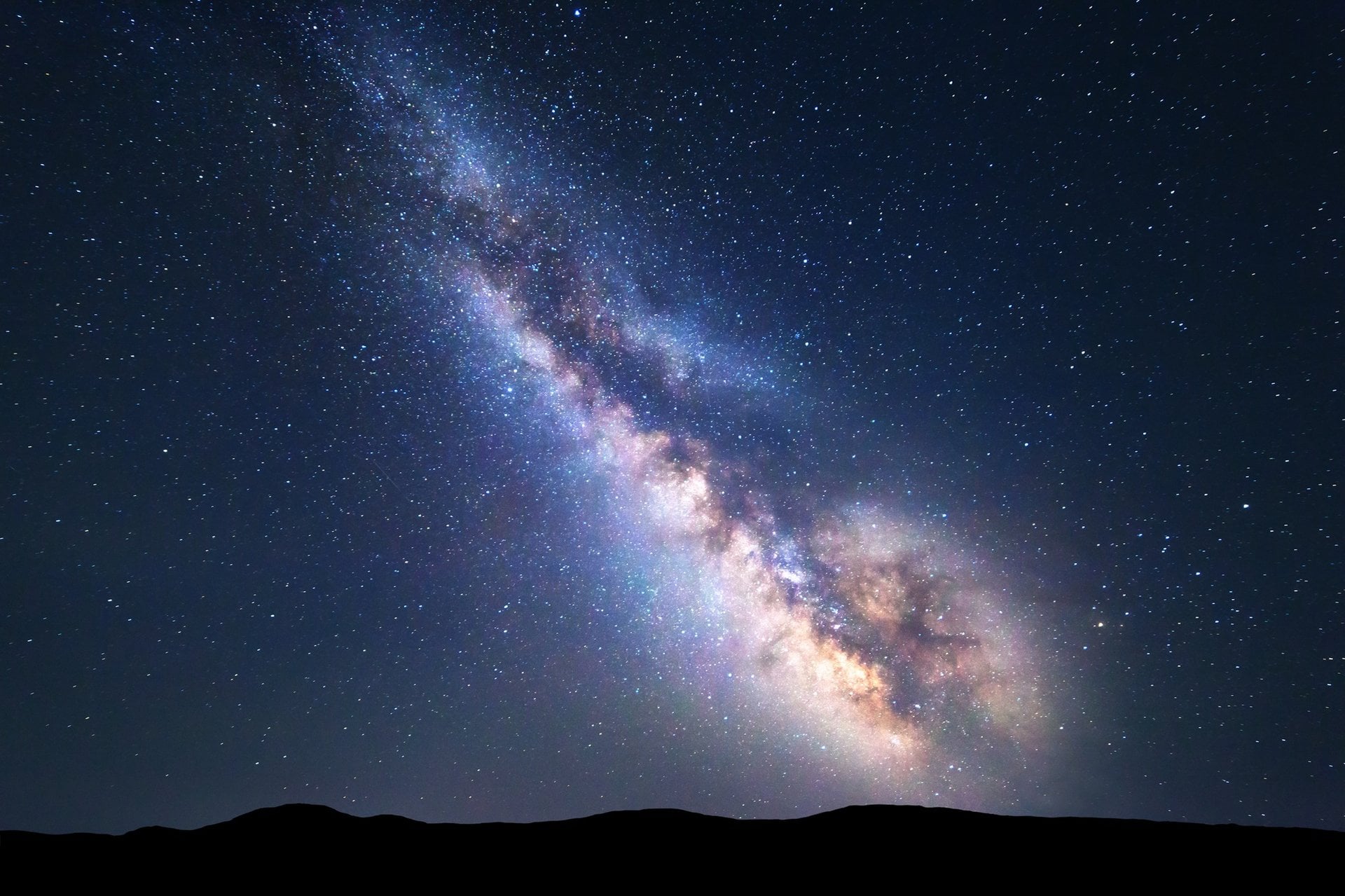
How do scientists know the mass of the Universe? Measuring it has traditionally relied on knowing how many stars there are in galaxies, as well as clouds of gas and dust, and associated dark matter. Astronomers generally use the mass of the brightest stars to estimate the mass of an entire galaxy. That means the rest of a galaxy's stars and its dark matter are essentially invisible. For decades, astronomers estimated the number of small, unseen stars in clusters and galaxies using a mathematical rule that assumed stars formed in roughly the same mass proportions everywhere in the Universe. That tool is called the initial mass function (IMF). It describes how many stars of each size there are in a given cluster or galaxy. However, there are challenges with the way it's currently applied because of assumptions it contains.
August 29, 2026 at 11:51PM
via read more...


Post a Comment