
New Cloud-Detecting Method Will Help Astronomers Characterize Exoplanets
New Cloud-Detecting Method Will Help Astronomers Characterize Exoplanets
By Matthew Williams (https://ift.tt/5xbNfqo)
June 5, 2026 at 04:24AM
via read more...
By Matthew Williams (https://ift.tt/5xbNfqo)
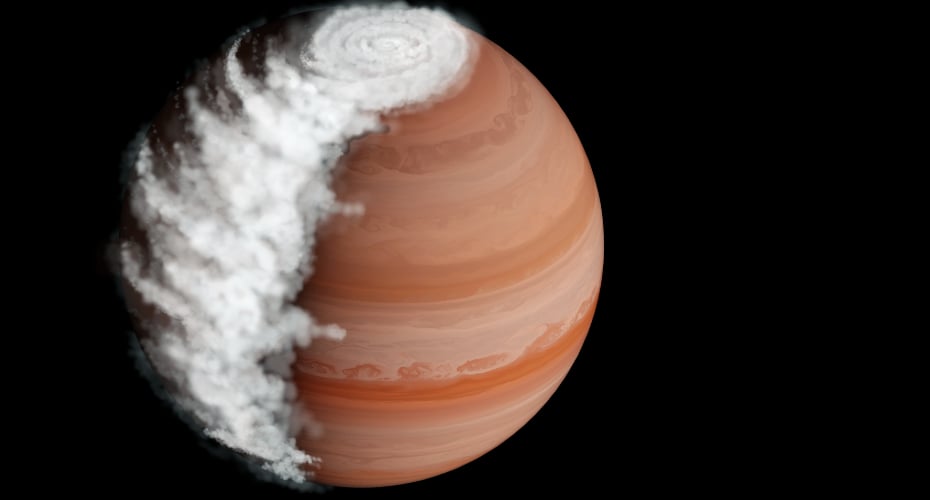
Astronomers have developed a technique that allows them to detect cloud cycles on distant exoplanets. Using data from the James Webb Sapce Telescope (JWST), the astronomers found that mornings and evenings on the gas giant WASP-94A b have extremely different weather patterns: mornings are riddled with sand clouds, while the skies are clear in the early evenings. By isolating the clouds, researchers can more accurately measure a planet’s atmosphere and provide a clearer picture of the planet’s composition. WASP-94A b, for example, has much less oxygen and carbon than astronomers perviously calculated, making its atmosphere much more like Jupiter than they had originally thought.
June 5, 2026 at 04:24AM
via read more...


Post a Comment