
Scientists Spot a Solar Flare With Surprising Spectral Behavior
Scientists Spot a Solar Flare With Surprising Spectral Behavior
By Carolyn Collins Petersen (https://ift.tt/gOACnbx)
April 10, 2026 at 05:49AM
via read more...
By Carolyn Collins Petersen (https://ift.tt/gOACnbx)
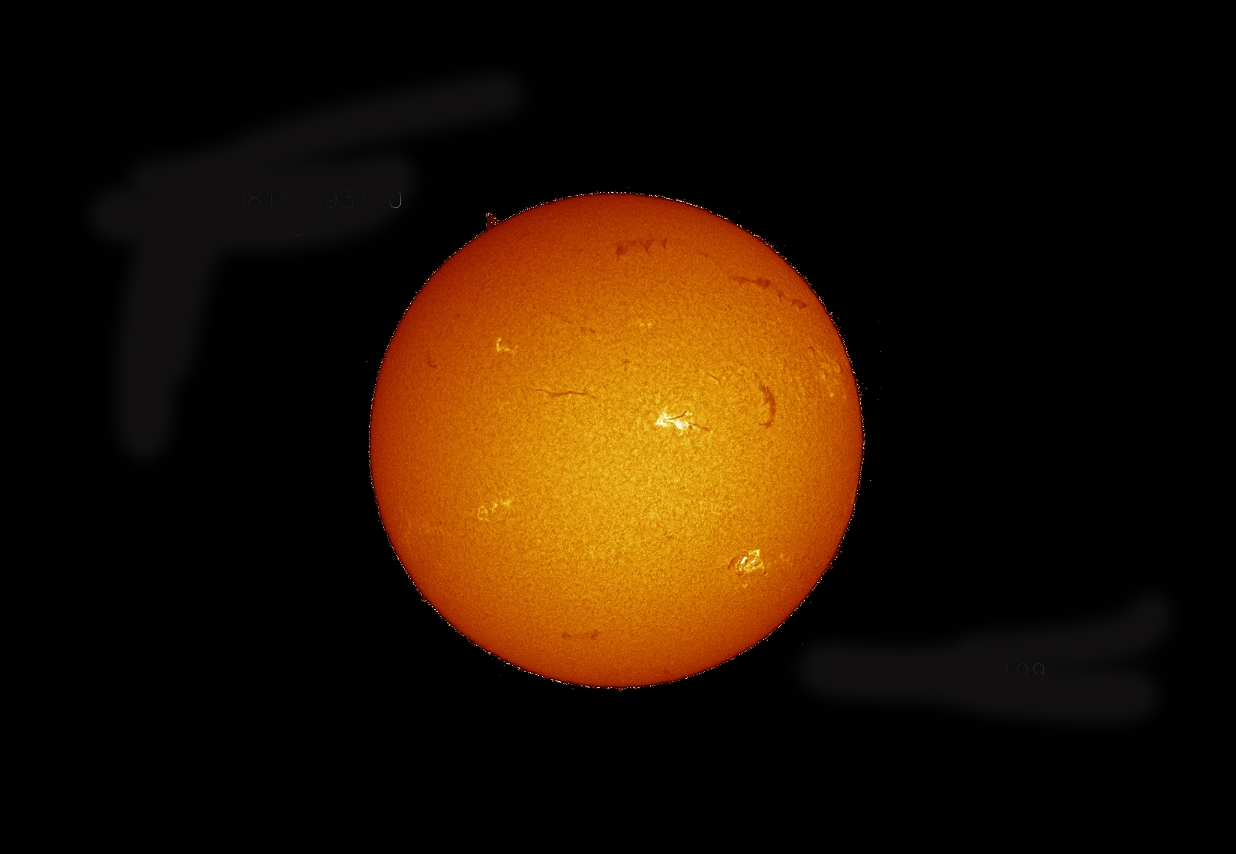
On August 19, 2022, astronomers using the Daniel K. Inouye Solar Telescope (DKIST) on the Hawaiian island of Maui caught the fading remnants of a C-class solar flare. Their observations showed something unusual: very strong spectral fingerprints of calcium II H and hydrogen-epsilon lines. It was the first time these two light signatures were seen in great detail during a flare. According to computer models, those lines were stronger than expected and play a not well-understood role in how flares heat the solar atmosphere where they occur.
April 10, 2026 at 05:49AM
via read more...


Post a Comment